Tuesday, February 17, 2015

Toxin Tuesdays: Aspirin

Remember they are NOT people, so it may be safe for us, but not for them (Image Source)
Aspirin is a common drug found in most households. It is a non steroidal anti-inflammatory that helps with chronic pain. While many people can use it without side effects that is not the case with our pets. Both dogs and cats can have multiple health issues if given aspirin. Depending on exposure the symptoms could look very different. For example if given over long period of time at low doses the symptoms may be more gradual and less noticeable. If the patient eats or is given a very large dose all at once symptoms may happen very rapidly and could be even more serious. Patients that are on other types of anti-inflammatories or steroids are at an even greater risk for side effects.
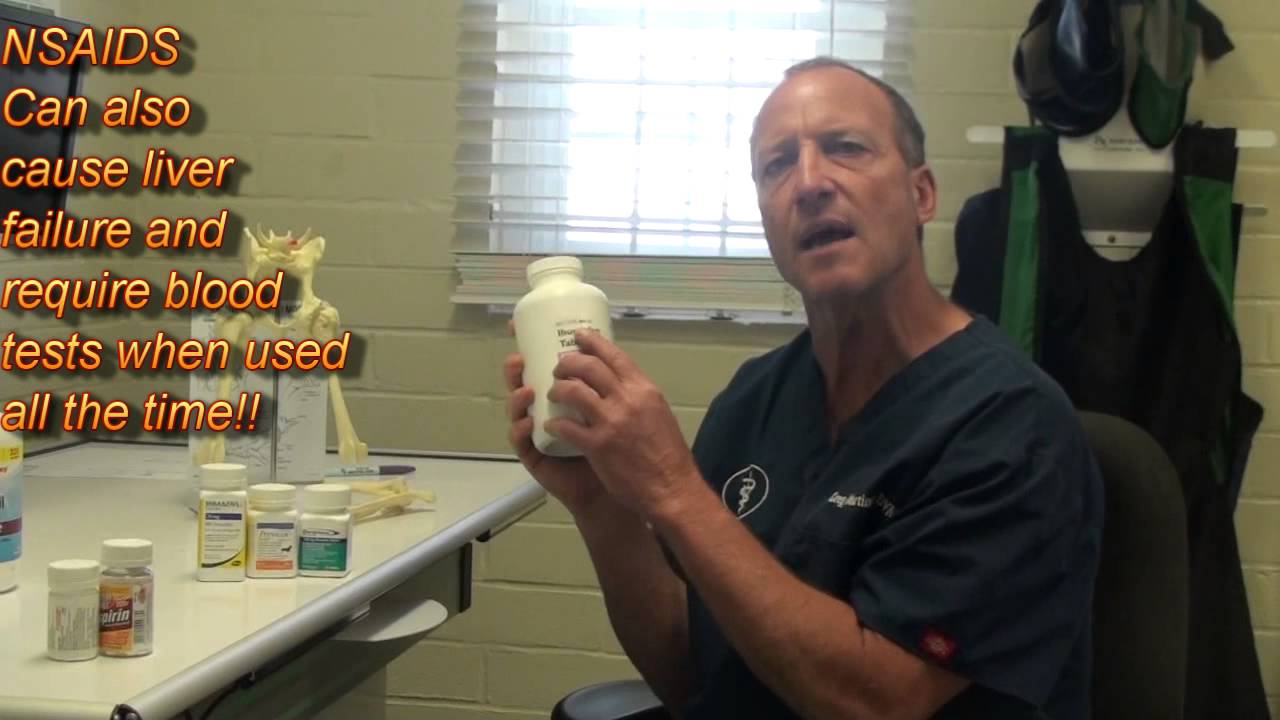
 
Remember that regular blood work is needed with any long term medication use (Image Source)
Aspirin is very readily absorbed in the stomach and first portion of the intestines. This is great for relieving pain, but is not ideal for toxin exposures. With large doses or long term use aspirin can start to have effects on many different body systems. One of these systems is the gastro-intestinal tract itself. You can start to see gastric ulceration which may show blood in the stool or vomit. It could also manifest as a decrease appetite or pain when their abdomen is touched. If the ulceration is bad enough they can start to become anemic from blood loss. On top of that, aspirin can also affect the bone marrow and suppress its production of red blood cells. So now the animal could be losing blood into the gastrointestinal tract but they are no longer making enough cells to replenish it. The liver can also be affected and in some cases begin to fail in cats with high doses. At higher doses or long term use, you may also see kidney failure beginning. These can all be very serious and may not be reversible.
 
If your pet isn't feeling well call your vet before reaching into your medicine cabinet. (Image Source)
If patients have gotten into the aspirin and ingested a large amount, it will be important to check blood work to assess the systems listed above. After that, supportive care needs to be started. This include IV fluids and medications to help soothe and coat the gastro-intestinal tract. There is no antidote for aspirin. So starting support early is very important. For more chronic use, sometimes stopping the medication and checking blood work regularly is enough. Sometimes they do require long term gastro-protective medications and some may even need to be hospitalized. There are much safer medications available for long term use but any anti-inflammatory or medication can have side effects. Regular blood work may help detect early signs of issues to help keep our pets safe and healthy.


Always make sure you work with your veterinarian prior to starting ANY medication. That is the best way to keep your pet safe!

Friday, February 13, 2015

Breed Focus: Boxer

Very sturdy, handsome breed (Image Source)
Boxers are another very well-known and well-loved breed. They typically have fun loving and goofy personalities. This explains why they are consistently in the top 10 dog breeds according to the AKC ranking. Originally bred for hunting down large game, which helps explain their very sturdy build. They can be very loyal to their family and should be socialized at young age to expose them to different people and prevent aggression from developing. They require very little grooming, but will need regular exercise to keep their energy in check.
 
It is very hard to say no to their cute puppy faces! (Image Source)
Although their bodies have a very sturdy build, there are many health problems that you need to be aware of before bringing a boxer into your home. It is another good reason to screen the breeding stock if you are thinking of purchasing a puppy.  Boxers are very prone to heart disease, there are several different conditions and many have genetic links so ensure that the parents of your puppy have been cleared of any heart disease. This will help minimize the risk of future issues. As a large deep chested dog they are also prone to bloating and stomach torsion. Remember to feed slowly, avoid exercise and rough playing after eating as well as elevating their food bowl can help minimize the risk. As with many large breed dogs they also can have issues with their hips and elbows. Keeping them at  lean weight and ensuring that the parents were clear from issues will help decrease the risk posed to your puppy. Another big thing to remember is that Boxers do seem to be more prone to certain types of cancers and at younger ages. These include mast cell tumors, hemangiosarcoma and lymphoma. Again regular checkups with your veterinarian can help. Also with boxers any lump or bump should be assessed regularly.
 
This image just says I'm ready for a good time! (Image Source)

While this may seem like a lot of reasons NOT to get a boxer. There are many reasons to consider them. They really are funny and charismatic with their family. Their antics can keep you laughing for a long time. With proper training and regularly veterinary visits they could make a great addition to your family. For more information please visit the following websites here and here.  

Thursday, February 12, 2015

Doodle Days #38

I had an exciting Monday! I got a bath and a little trim!

I do not care for baths very much, but I tolerate them like the gentleman that I am.


Afterwards I am always very tired and sleep most of the way home!

It does feel good to be clean and fresh!! (just so I can get dirty and do it all over again!)

Wednesday, February 11, 2015

Focus on Joints: Legg Perthes Disease

Legg Calve Perthes Disease (or Legg Perthes) is a condition affecting the hip joint, specifically the head of the femur bone. It is most commonly seen in small breed dogs. Manchester terriers seem to have a higher genetic predisposition, but there is a hereditary link between many toy breed dogs. In this condition the head and neck of the femur begin to break down, leading to discomfort in the hip joint. The exact cause is unknown, many suspect that the blood supply to the bone becomes compromised leading to degeneration. It is possible if trauma has occurred to the joint that Legg Perthes can occur in that patient as well.
 
Small breeds like the Manchester terrier pictured here seem to be more commonly affected. (Image Source)
Most pets will start to show signs while still growing. Symptoms will include limping, which is typically gradual and can progress to not using the affected limb at all. When the patient is touched over the hip area it will be quite painful and may even feel an intermittent catch in the rotation of the hip. If the symptoms have been occurring for a while, there may be decreased muscle mass on the affected leg.
 
Imaging is needed to make a diagnosis (Image Source)
X-rays will need to be taken to assess the joint and try to rule out other possibilities for limping. These would include luxating patellas, torn cruciate ligament, or even hip dysplasia. Images of Legg Perthes will usually demonstrate lighter areas in the head of the femur as well as thickening of the neck. In advanced stages, there could even be a deformity or fracture of the femoral neck.
Most pets recover great from surgery! (Image Source)
 Treatment includes resting and pain medications. Many times they will require surgery and actually remove the femoral head and neck. This procedure is called femoral head and neck ostectomy. After surgery it will be important to rest and pursue physical therapy to help develop the muscle mass back up to normal amounts. Most dogs respond beautifully to surgical correction. While medical management is possible patients tend to not have as good long term prognosis.


Tuesday, February 10, 2015

Toxin Tuesdays: Xylitol

With no antidote available, aggressive treatment is required (image source)
Xylitol is a sweetener found in many human products. While sweet to humans, it can be deadly to our pets. Most exposures come from sugar free gum that our pets have found and ingested, however, xylitol is becoming very popular and can be found in many backing products, candies and even toothpaste. If your dog has had exposure to these products it is important to take action immediately!
 
There are MANY different sources of Xylitol found around the home (Image Source)
Why is Xylitol such a serious problem for our pets? One of the biggest problems is that Xylitol is very easily and rapidly digested. This means once your pet eats it, it will be very difficult to get it back. The first obstacle that we have to deal with is that Xylitol can lead to a VERY low blood sugar. In the animals’ body it acts similar to insulin which will lower the blood glucose. If glucose levels in the body get too low you can begin to see weakness, lethargy and even seizures. Depending on the amount the patient ingested signs can occur within 10 minutes to an hour. This is why immediate action is necessary.
 
A little bit goes a long way in our pets (Image Source)
Once the glucose is assessed and hopefully stabilized there is still another problem that can occur. This is liver failure and it very much depends on the amount of xylitol ingested. Once we know a pet has been exposed to xylitol we will recommend blood work to assess the glucose as well as get a baseline for the liver values. If glucose is low we will begin to supplement and get that stabilized.  Many times we will also begin to treat for possible liver disease. Depending on the dose ingested liver signs can start to show up within 9 hours or up to 72 hours. In some cases this can be severe and life threatening or lead to permanent liver damage.
 
While these products are safe for us they are NOT safe for our pets (Image Source)
Most of the time treatment will consist of glucose supplementation as needed until blood levels return to normal and also fluid therapy. Many times supplements like S-adensylmethionine, silymarin (milk thistle) and vitamin E and C will be added to help support the liver in its roll of filtering blood and scavenging for toxins.
 
Aggressive therapy is needed to help most patients (Image Source)

Treatment needs to be aggressive and early if a positive outcome is to be achieved. It is extremely important if you have pet to check the products you have around the house and if xylitol is in them either get rid of them, or keep them out of reach and temptation. For more information on xylitol toxicity please visit the following website. 

Friday, February 6, 2015

Breed Focus: Chinese Crested

Typical hair pattern for a Chinese Crested! (Image Source)
The Chinese Crested is a dog best known for its mostly hairless body. Although there is a powderpuff version of this dog that has hair all over. They are one of the most well recognized toy breeds across the country. The do not have a distinct history but seemed to gain popularity from China (hence the name Chinese crested). Their small size can lend them to many living environments, but they do have a mighty personality that if let loose can make them very difficult to deal with.
 
Powder Puff version has silky hair throughout (Image Source)
Although the majority are hairless, there are still several grooming requirements to remember. First the little hair they do have needs to be brushed regularly to avoid matting. They also will require sun screen if they are going to be outside as they have no protection. Also due to the constant skin exposure to the elements they tend to get dry skin and even pimples more frequently than other dogs. The powderpuff version will need regularly grooming every 6-8 weeks as with any other fully furred dog!
As far as health concerns go, Chinese Crested tend to be very healthy. A couple of conditions to monitor for include dental disease. As with most toy breeds they seem to have trouble keeping their teeth clean and may require dental scaling at younger ages. If obtaining a Chinese Crested from a breeder making sure that their breeding stock has had their eyes certified free from disease can be important. Some Chinese Crested seem to be affected with retinal atrophy which can lead to issues with their eye sight. Screening the parents can help minimize the chance of your new puppy having issues as it ages.
 
What a tiny little thing! (Image Source)
To emphasize again, although they are small they have a very big personality. They will still require training especially when it comes to potty training. They can be stubborn so you will need to be diligent in your routine. They could also benefit from regular socialization and puppy classes, so their naturally shy demeanor does not turn into a ferociously protective demeanor.
 
They can (and should) be trained! (Image Source)

With their distinct look, many people are drawn to the Chinese Crested for a future pet. They can fit into most home environments with proper training and socialization. For more information please visit the following website here.

Thursday, February 5, 2015

Doodle Days #37

Sometimes things at our house get a little crazy! While I love my toys sometimes I get a little too rough with them.
Just some neck wounds...nothing my person can't handle!

I should try to be a little more careful with my toys but I just get so excited!

Luckily I know someone that can fix them right up. When the toys have a 'wound' they go into the surgery ward. They have to wait their turn.
Good news, he's going to make it!
Once they are all sutured up, they can go back into our play rotation!
I think they are glad to be all fixed up!
I usually play until I drop, which is why so many of my toys end up in the surgery ward I bet!
Catching a little shut eye until the next round of playing!