Tuesday, September 9, 2014

Felines in Focus

Challenges in Mealtimes with a Multiple Cat Household
Last time on Felines in Focus, we discussed how implementing a mealtime option gives you the flexibility to monitor and feed all of your cats for their individualized needs.

However, this often poses many challenges, as some cats are more aggressive about eating their food, others are more lazy, and sometimes you can end up with fights and fits about who gets to eat what. 

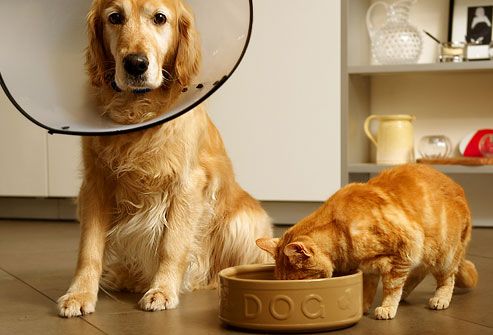
The most common concern owners have is that they have that one overweight cat, and that one skinny cat, and the fat cat always eats his and everyone else’s portions at mealtime.  Keeping an open mind, and using a little bit of creativity can easily overcome this challenge.  My favorite easy and simple way to combat this issue is to first set up feeding stations.  Cats should have a different area they report to for their meal.  It doesn’t have to be a different room or area of the house, but side by side bowls are easier to “share”.  If you have a more proportioned cat losing his chance at finishing his meal, offer his food in a box that has an opening only he can fit through.  This also works with multiple cats.  If you are trying to prevent a larger cat from eating everyone else’s meals, and he can’t fit into a box where everyone else dines, he is restricted to only what he is offered.  This “box” doesn’t have to be anything fancy, even a cardboard box, or a Rubbermaid container can work, but you can be as creative, or not, as you’d like.


The second most common issue is the lazy eater.  Maybe your companion cats are not overweight, but when the lazy eater hasn’t finished her meal, it’s everybody else’s duty to clean her plate, because good food just can’t go to waste.  The key to adapting this “lazy eater” to meal time is to offer her a portion at each meal, and remove the excess after an allotted time.  For instance, she has 30 minutes to eat her meal, and then the food is removed and she waits for the next meal to eat like everyone else.  This gives you a better idea of what she prefers to eat, and eventually she’ll get on board.  By removing her excess, she won’t be sharing her food with any other cats in the household.  

Hypothyroidism in Pets

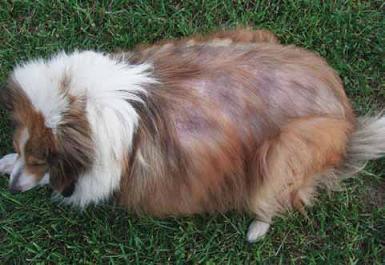
Hypothyroidism is a condition that mainly affects dogs (and people). It means there is not enough circulating thyroid for the body to use. Thyroid hormones play an important roll in the function of many body systems. Due to the wide impact of thyroid hormone, there are a range of symptoms that may be seen. Typically this condition is diagnosed in middle aged dogs, however younger and older dogs can be affected.
Thin hair is a common symptom (source for photo)
While there are a variety of symptoms that can occur, there are several that are most commonly noted. These include lethargy (or lack of energy), weight gain, trouble with their coat and heat seeking behavior. These are actually similar to the symptoms noted in humans as well. To focus a little more on the coat, the symptoms can range from hair loss, to a dull coat or the hair not re-growing after trimming. It can also include recurrent skin infections. Some of the less frequently seen symptoms include weakness, facial paralysis, and even seizures. Additional problems to note in dogs can include ocular problems such as glaucoma. This can occur secondary to the extra triglycerides that circulate in dogs with hypothyroidism. They can cause a blockage of the draining of the eye which can lead to an increase in pressure. These triglycerides can also build up and cause some precipitation in the eye which can look like crystals. It is possible for pets to only have one or even all of these symptoms at once.
Source for photo
If your pet struggles with any of these your veterinary may recommend testing for thyroid disease. Diagnosing a dog with hypothyroidism involves more than just screening the circulating thyroid levels. It includes a blood test panel that screens for levels of many different thyroid hormones. Typically several abnormalities in this panel need to be present before a diagnosis can be made. This is due to the fact that circulating thyroid alone can be low in pets that are just not feeling well but do not have a problem with thyroid disease. When there are several abnormalities however this is when we can accurately make a diagnosis and start treatment.
Hypothyroidism is managed, not cured. It will be a medication that will be given lifelong and typically require regular blood tests to assure adequate response. While the medication is similar to what humans would take the dosing is much different. It is very important if a person and a dog in the household are on medication for hypothyroidism that the prescriptions are not confused. Humans is MUCH SMALLER doses in this instance than dogs do. While the medication is well tolerated it is best not to get them mixed up to avoid any toxicity issues in humans or pets. If you have any questions about this condition please contact your veterinarian. More information can also be found at veterinary partner here.

Monday, September 8, 2014

Why Does My Dog Get Ear Infections?


Ear infections are very common inflammatory conditions seen in our canine patients.  An Inflammation for a variety of reasons then predisposes the ear to bacterial and yeast infections.  These infections are painful, and common signs of an infection include scratching the ears, rubbing the head and ears, or head shaking; redness in the ear canal, and odor and discharge from the ear. 

New (Acute) Infections of the Ear
Many cases of ear infections are uncomplicated and easy to treat.  Your veterinarian will look in the ears, take a sampling of the debris or build up, and identify the type of infection in the ear.  Often both ears are infected, but it can just be one ear.  The ears must then be cleaned thoroughly of debris and build up, and an appropriate ear medication can be started.  Ear medication should ALWAYS be used for the full amount of time your veterinarian prescribes it for.  Ear infections, especially due to yeast, often can look “better” in just a few days, but if residual yeast or bacteria or left behind, the infection can quickly recur.  For this reason, even in uncomplicated ear infections, your veterinarian might recommend a follow up appointment to verify that the infection is completely cleared.

                                                       Repeat (Chronic) Ear Infections
In some cases, ear infections may return or never completely resolve.  That can be for various reasons, but the main reason is the underlying cause of the ear infection must be identified and treated as well.  Sometimes allergies to food, or pollen, or parasites can lead to secondary bacterial or yeast infections in the ear.  These problems must be thoroughly investigated by your veterinarian to keep recurrent or frequent ear infections at bay.  Following up frequently with your veterinarian to monitor the progress of the ear treatment is important to control these outbreaks, and keep your pet’s ear pain and discomfort to a minimum.

What happens to an ear infections gone bad?
If an ear infection is left untreated, not only are you exposing your pet to continued pain, itch, and discomfort, but the infection can spread further into the ear canal.  When an ear infection spreads, damage to the nerves controlling balance and hearing can occur.  Deafness and loss of balance are common side effects of a long-standing, untreated ear infection.  Sometimes these signs can be reversed and sometimes they are permanent.  In addition, untreated ear infections lead to chronic, or continued, inflammation to the ear canal tissue, making it become thicker and more abnormal.  Sometimes, the ear canal surface becomes so thickened it can trap infection inside, making it extremely difficult to get a once treatable infection under control.  Often, in severe cases, this requires surgery to correct this long-standing issue.

What can you do?

Clean your pet’s ears frequently with a dog specific ear cleaner.  As often as you bathe your pet, or more frequently if prescribed by your pet’s veterinarian.  Ear cleaners are designed to flush material up and out of the canal, and dry out the ear canal as well.  If you notice build up in the ears, or an abnormal odor, or your pet seems to be scratching his ears more often, see a veterinarian promptly.  Prompt treatment leads to quick and easy                                                                                     relief for your pet, and you!!!

Friday, September 5, 2014

Breed Focus: Poodle

Poodles are a fairly well recognized and popular breed. Although mostly noted for their distinct looks and hair cuts, poodles are actually quite smart and take to training very well. They were originally bred to help huntsman retrieve water game. With this background it could explain why they were bred for their intelligence!
 
Source
Much of their popularity is attributed to the coat that has little to no shedding. This makes them a great option for people that suffer from certain allergies. Although they do not shed a lot, they require regular grooming. This needs to be factored into a budget when planning on adding a poodle to the family. The cut typically seen in the show ring was thought to help keep the organs warm when jumping into icy water after game. While flashy, most companion poodles do not need that specific hair cut unless your family really likes that!
 
Source
The three main sizes that poodles come in are toy, miniature and standard. Each of these sizes can have their own health concerns that need to be monitored. As with any pure bred dog obtaining a puppy from a breeder that has health checked both parents will decrease the risk of certain conditions. However, if you are rescuing a pet a full history may not be available so here are a few conditions to be conscious of when considering a poodle. The standard poodles with their deep chest can be prone to developing a gastric bloat. Many times ensuring that they are not eating too quickly or elevating the food dish can help prevent this from occurring. The toy and miniature can have issues with their knees where the patella can pop in and out of place. Another joint issue seen in the toy poodle is call Legg-Calve-Perthes. Which is a condition where the blood supply to the hip bones is not adequate and may require surgery. For more information on this condition please click here. Although there are many conditions they are prone to one that can be found in all sizes is called Addison’s disease. This is a condition that shows a waxing and waning of generic symptoms such as vomiting and diarrhea. There are blood tests can help determine if Addison’s disease is the cause of these symptoms. (click here for more information)  Again any purebred dog can have a variety of conditions they are more prone to having, researching the breed thoroughly can help identify many of these conditions sooner.
 
Source

Poodles overall have great personalities, are fun loving and intelligent. Their various sizes can make them a good option for most living situations. If you are up for the extra grooming, they could be an excellent addition to your family.

Thursday, September 4, 2014

Doodle Days #15

I've had a busy couple of weeks! I recently visited a behaviorist to help with my walking so that my people and I can enjoy our outings a little more. I'll be honest my progress is slow....It's these small rodents! They distract me to no end! I'll update more on my progress when I have more time to really get into detail for now I thought I'd show off my hair cut!
Before! I'm also a little sad because my people are going to work soon
This is my before picture! I love my shaggy hair! Everyone thinks I look so cute! I do however get very hot. So every other month I get a short hair cut.


I still look very handsome! I prance like a little deer at times. I like both hair cuts...but which one do you like better?

Wednesday, September 3, 2014

The Senior Pet: Diet

Our pets are living much longer lives these days. This is great news as we enjoy their companionship, however as they age the needs or our senior pets change. Today we will focus on the dietary needs of our more mature animals. These senior diets would not replace prescription diets that are used to manage different conditions.
 
Source
As animals age they are at a greater risk for certain conditions such as kidney disease, heart failure, cancer, obesity and joint disease (such as arthritis). There can also be some age related changes to brain function, where like people they can become confused or disoriented from time to time. Some of these conditions can be managed or prevented with a high quality senior diet.
 
Source
Water is the most important part of any diet. It is important that pets have free access to fresh water throughout the day. Monitoring the water consumption is also a very good idea as changes can indicate certain conditions and may warrant a trip to the vet office!
 
Source
When evaluating different senior diets there are certain ingredients that may be present (or absent) when compared to diets made for younger animals. Many times there will be a decrease in fat which can help control weight. Obesity is one of the biggest problems we face in the veterinary industry. The extra weight has been shown to decrease the life expectancy as well as take a toll on many different body systems. An additive found in many senior foods may be increased antioxidants. These can help manage (not cure) several different conditions such as skin disease, kidney disease, arthritis and many more. As pets age they may also deal with constipation issues so many diets will increase the amount of fiber to help combat this. It is important to monitor each pet’s response to certain diets, because as some pets age they actually loose weight so a high fiber diet may not be appropriate for them.
 
Source
Food texture can also play a roll in the diet. Dental disease is another big issue facing our pets. Certain shapes and types of dry food can actually help break tartar down and prevent bacteria from building up in mouth. Food and treats with the VOHC (veterinary oral health council) seal on them have been shown to improve dental health in pets. Another label to look for when evaluating any diet is to look for an AAFCO (Association of American Feed Control Officers) statement. These statements will show if a food has been studied and for which life stages it is appropriate to feed.
 
Source

While senior diets can be beneficial in many pets, they may not be right for every mature animal. Working with your veterinarian can help direct the nutrition that is best for your pet. The ASPCA has some great information about feeding older dogs which can be found here.

Tuesday, September 2, 2014

Feline Cystitis

One of the most common complaints pet owners have regarding cats is urinating outside the litter box. There can be a variety of different causes this behavior, one in particular is cystitis. This means inflammation in the bladder. Cystitis can be a frustrating condition because many times we do not know the cause and have to manage the symptoms.
 
Source
Let’s start at the beginning. If your cat starts urinating inappropriately the first thing to do is to visit the veterinarian. Although we do not always find an answer to why they are demonstrating this behavior, there are several medical reasons we need to rule out. The easiest is a bladder infection. To determine if this is the cause most of the time a urine sample may be obtained and examined under the microscope or sent off to a lab for a culture and sensitivity. With a culture and sensitivity this will identify what if any bacteria are growing and what specific antibiotics can be used to combat them. If no bacteria is found further diagnostics may be indicated. This could include x-rays or blood work to rule out bladder stones or other underlying conditions. One of the most consistent findings with cystitis is blood in the urine with no signs of infection or stones.
 
Source
One of the most frustrating causes for cystitis is what is known as idiopathic. This means we do not know and cannot determine the exact cause. Many times this can be attributed to stress. Cats have a variety of ways they can show stress. They may stop eating, they could become more aggressive, they may hide and sometimes they will begin to urinate inappropriately. If other causes have been ruled out we may look to managing the inflammation of the bladder.
 
Source
Medical management of cystitis will be tailored to each cat specifically. Many times pain medication may be prescribed to help with the discomfort associated with straining and inflammation. Anti-anxiety medication may also be used long term to help combat some of these symptoms. There are also prescription diets that promote a healthy bladder environment and some newer products also have ingredients to combat stress. Diet can be crucial to helping flare ups occur less regularly.
 
Source
One of the most important aspects of managing feline idiopathic cystitis is environmental enrichment. House cats can get bored easily. Sure many of them enjoy lounging but they also need mental and physical stimulation throughout the day. Taking them on a walk would be great but not every cat can be leash trained so we must look to their inside environment for areas to improve. One way is to give them different perches throughout the house. Also moving these perches from time to time will keep them interested. Designating playtime throughout the day will help keep them physically fit. Food puzzles can be great mental and physical game they can play while most owners are away during the day.
Source
Each cat is unique and some strategies that work great for one may not work for your cat. It will be important to work closely with your veterinarian to tailor a specific plan to your feline friend. This is a very brief overview of a complicated issue in cats. For more information you can visit veterinary partner’s feline cystitis page here.