Wednesday, February 25, 2015

Feline Stomatitis

Stomatitis is severe inflammation of the mouth and gums. (Image Source)
February is Dental Awareness Month in our pets. It is a good time to have your pet’s teeth and gums assessed. The mouth is the gateway to the rest of the body and if it is not healthy it is unlikely for your pet to stay healthy. One condition that is more prevalent in our feline friends is stomatitis. Stomatitis is a painful inflammation in the mouth and gum of cats. The causes for stomatitis are not always known. Sometimes it is a reaction to the bacteria in the mouth that gets under the gum line.  In other cases, there is not a lot of plaque but the body’s immune system starts to attack the gums without cause leading to inflammation.
 
Regular Veterinary Check ups can hopefully help detect the condition early. (Image Source)
There are symptoms that will begin in the early stages of the condition that may indicate a problem. Early stages would include bad breathe, decreased appetite decrease in grooming themselves. As the condition progresses, some owners may notice drooling, with or without blood, and weight loss. On exam the gums will look VERY reddened. Sometimes there will be a large amount of tartar build up and sometimes there will not.
 
This patient has severe inflammation and dental tartar. They definitely need a dental cleaning. (Image Source)
The first line of treatment will include a dental cleaning and fluoride application. At home care is recommended which includes brushing teeth daily and rinsing with an antibacterial mouth wash. In some cases this will be adequate to keep patients comfortable, but they can have recurrent flare ups. Some flare ups can be managed with pain medication and antibiotics. But if the flare ups become to frequent treatment involves removing affected teeth. In severe cases this could include all teeth behind the canines. It may seem extreme, but is sometimes necessary for long term oral health and comfort.

For more information on this condition, you can visit the following website here, here and here.


Tuesday, February 24, 2015

Toxin Tuesdays: Grapes and Raisins

These may seem benign, but they can be deadly to our pets! (Image Source)
Grapes and raisins are a very frustrating toxin to deal with in our pets. Part of this is because they are so safe in humans many people think there is no harm in giving them to our pets. Another reason they are frustrating is that no one knows the exact reason or way they cause toxicity to our pets. It also does not seem to depend on the amount ingested. So one grape could be as bad as 10 grapes in some animals. The final reason grapes are a frustrating toxin is that some pets will not show any signs whatsoever, while other pets have to be hospitalized and may even die from eating them. This makes treatment much more difficult.
 
Better to just stay away than risk your dog becoming sick. (Image Source)
There are a variety of symptoms that can be associated with ingestion of grapes or raisons. In extreme cases it could lead to renal failure. More mild cases will include vomiting, diarrhea and pain in the abdomen. A few cases have reported weakness and a stumbling gait. Gastro-intestinal signs can begin within twelve to twenty-four hours, whereas kidney changes seem to begin around 24 hours.
 
You can dress them up like grapes, just don't feed them grapes or raisins (Image Source)
Since there is no indicator for which animals will be able to tolerate eating grapes and which cannot, it is best to avoid them all together in our pets. If your pet has ingested these products calling your veterinarian quickly will be the best way to try and avoid more serious consequences. If it was a recent ingestion and there are no symptoms they may make the patient vomit to see how much of the material they can recover. While there, it is also a good idea to draw blood and at least get baseline kidney values. Ideally patients would be hospitalized and placed on IV fluids to help support the kidneys even if there are no changes yet. After fluids are initiated a recheck blood draw can be done around 72 hours. If all clear that point, they will likely not have any long term side effects.

For more information on grape exposure you can visit the following website here and here.


Friday, February 20, 2015

Breed Focus: Mastiff

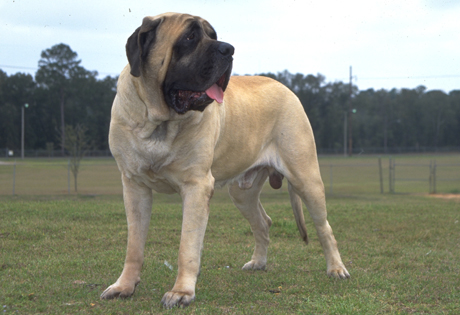
Large and sturdy are two words that describe Mastiffs! (Image Source)
Mastiffs are some of the largest dogs we see in veterinary medicine. They were originally bred as watch dogs to guard families and farms from larger predators. This has made them very loyal to their people, but over time they have become more couch potato than guard dog. They still may have a tendency to become protective and with their large intimidating size, it is a very good idea to socialize puppies and start training classes to make sure they are as well balanced as possible.
 
Even the puppies are big! (Image Source)
One of the biggest things to remember before taking a Mastiff into your home, is that you will be dealing with drool…..a LOT of drool! Make sure everyone in the house is up for slobbery pants and possibly wet furniture where they lay. Another thing to consider is that although they tend to be calm and are usually called ‘gentle giants’ remember they are a giant or large breed. They will require more room to spread out and will come with a higher price tag on food and medications. Make sure you plan a budget for your big friend so you are prepared to care for them.
 
With their big size, comes a big heart! (Image Source)
As with most large breed dogs, there are some health concerns regarding their joints. The larger breeds tend to be predisposed to hip and elbow dysplasia. Prior to picking out a puppy make sure that the breeding stock has been certified free of these conditions. This can help reduce the risk of your puppy having joint issues in the future. Stomach bloat is also another condition common to larger breed dogs. Using elevated food disease, encouraging slow eating and resting after eating will help minimize their risk. Another thing to monitor for are heart conditions. Again making sure that the parents are certified clear from disease will help but regular veterinary checkups will also help ensure that your large canine friend stays as healthy as possible. One other thing to note, in general, the larger breed dogs tend to have shorter life expectancy. Make sure everyone in your household is prepared for this. It is not uncommon for Mastiffs to only reach 8-9 years of age. While this may not seem very long, they can definitely enhance your life with wonderful memories throughout the time you share.
Mastiffs really are a good family dog. While they do have a large size, most of the time they are content to just sit and watch the world go by. They can be protective and cautious around strangers so starting training early is a great way to ensure that everyone stays safe. For more information on mastiffs please visit the following websites here and here.


Thursday, February 19, 2015

Doodle Days #39

Well I don't have much to report this week. On Tuesday I was dropped off at a friends house for a week of fun. Apparently my people are going to be out of town for a bit. I miss them, but I don't mind a little vacation of my own from time to time.
This is the rendezvous point with my friends! I'm getting excited! 

I just wish they would let me in on the plans instead of keeping it a secret.
I'm starting to get suspicious that something is up. I like to try to stare the answers out of my people!
Hopefully I"ll have a full recap for you soon!

Wednesday, February 18, 2015

Focus on Joints: Luxating Patella

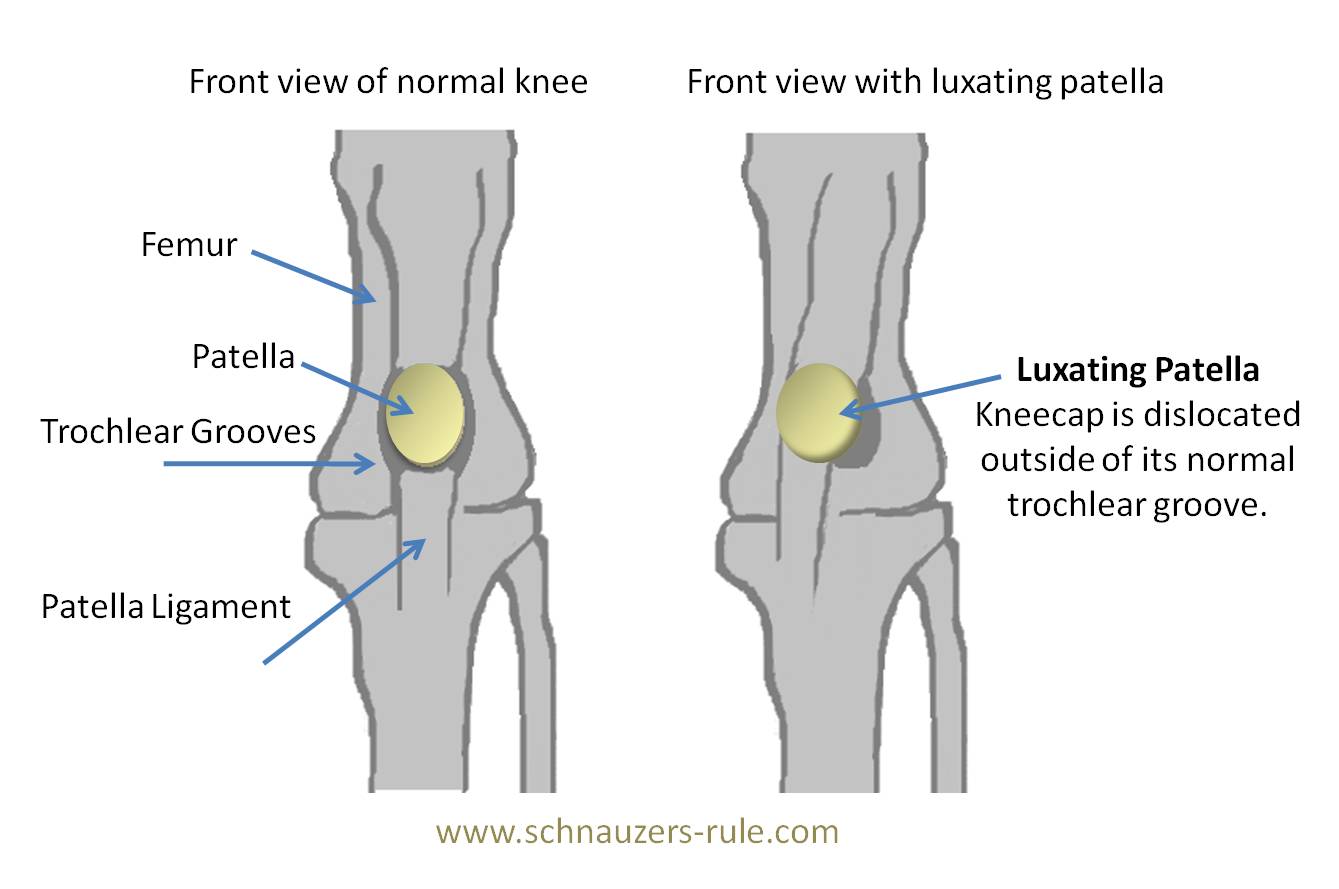
The patella is more commonly known as the knee cap. When we discuss luxating patellas we are saying that the knee cap is not stabilized and is moving around the knee joint. This is most commonly seen in small breed and toy dogs, although it can happen in any size dog (or cat). There seems to be some genetic predisposition meaning that it can be passed from parent to children. The breeds that seem to be over-represented include Pomeranians, Pekingese, Chihuahua, and Boston Terriers.
 
Luxating patella means that the patella is moving out of its normal orientation (Image Source)
Many owners will start to notice a funny gait or lameness in their pet in the back legs. Sometimes they will even carry the leg and not put weight on it, then start using it again. When feeling the knee depending on the severity, you may be able to feel the knee cap moving in and out of place.
In some cases rest may be enough to get over sudden pain. It is best to keep these patients at an ideal body weight which will help put less of a strain on their joints. In more severe cases surgical correction may be necessary. Depending on the severity of the condition will determine the type of surgical intervention needed. Many times x-rays will be needed of the hips and knees to ensure they are a good surgical candidate.
 
Surgery may be an option for pets with chronic issues (Image Source)

While the patella moving in and out of joint is not ideal for our pets, we are fortunate to have options to keep our pets comfortable. This could include surgery or medical management. Working with your veterinarian is the best way to keep your pet comfortable and determine which treatment is ideal for your situation. For more information on luxating patellas please visit the following website here. 

Tuesday, February 17, 2015

Toxin Tuesdays: Aspirin

Remember they are NOT people, so it may be safe for us, but not for them (Image Source)
Aspirin is a common drug found in most households. It is a non steroidal anti-inflammatory that helps with chronic pain. While many people can use it without side effects that is not the case with our pets. Both dogs and cats can have multiple health issues if given aspirin. Depending on exposure the symptoms could look very different. For example if given over long period of time at low doses the symptoms may be more gradual and less noticeable. If the patient eats or is given a very large dose all at once symptoms may happen very rapidly and could be even more serious. Patients that are on other types of anti-inflammatories or steroids are at an even greater risk for side effects.
 
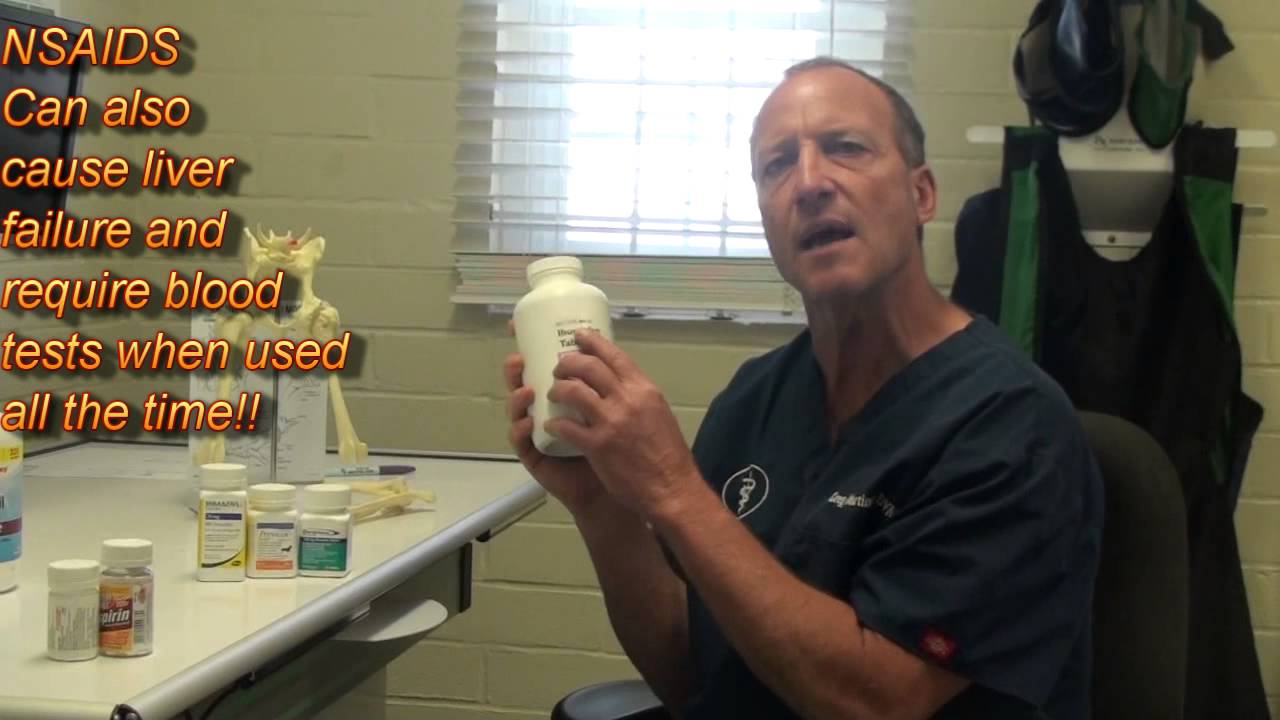
Remember that regular blood work is needed with any long term medication use (Image Source)
Aspirin is very readily absorbed in the stomach and first portion of the intestines. This is great for relieving pain, but is not ideal for toxin exposures. With large doses or long term use aspirin can start to have effects on many different body systems. One of these systems is the gastro-intestinal tract itself. You can start to see gastric ulceration which may show blood in the stool or vomit. It could also manifest as a decrease appetite or pain when their abdomen is touched. If the ulceration is bad enough they can start to become anemic from blood loss. On top of that, aspirin can also affect the bone marrow and suppress its production of red blood cells. So now the animal could be losing blood into the gastrointestinal tract but they are no longer making enough cells to replenish it. The liver can also be affected and in some cases begin to fail in cats with high doses. At higher doses or long term use, you may also see kidney failure beginning. These can all be very serious and may not be reversible.
 
If your pet isn't feeling well call your vet before reaching into your medicine cabinet. (Image Source)
If patients have gotten into the aspirin and ingested a large amount, it will be important to check blood work to assess the systems listed above. After that, supportive care needs to be started. This include IV fluids and medications to help soothe and coat the gastro-intestinal tract. There is no antidote for aspirin. So starting support early is very important. For more chronic use, sometimes stopping the medication and checking blood work regularly is enough. Sometimes they do require long term gastro-protective medications and some may even need to be hospitalized. There are much safer medications available for long term use but any anti-inflammatory or medication can have side effects. Regular blood work may help detect early signs of issues to help keep our pets safe and healthy.


Always make sure you work with your veterinarian prior to starting ANY medication. That is the best way to keep your pet safe!

Friday, February 13, 2015

Breed Focus: Boxer

Very sturdy, handsome breed (Image Source)
Boxers are another very well-known and well-loved breed. They typically have fun loving and goofy personalities. This explains why they are consistently in the top 10 dog breeds according to the AKC ranking. Originally bred for hunting down large game, which helps explain their very sturdy build. They can be very loyal to their family and should be socialized at young age to expose them to different people and prevent aggression from developing. They require very little grooming, but will need regular exercise to keep their energy in check.
 
It is very hard to say no to their cute puppy faces! (Image Source)
Although their bodies have a very sturdy build, there are many health problems that you need to be aware of before bringing a boxer into your home. It is another good reason to screen the breeding stock if you are thinking of purchasing a puppy.  Boxers are very prone to heart disease, there are several different conditions and many have genetic links so ensure that the parents of your puppy have been cleared of any heart disease. This will help minimize the risk of future issues. As a large deep chested dog they are also prone to bloating and stomach torsion. Remember to feed slowly, avoid exercise and rough playing after eating as well as elevating their food bowl can help minimize the risk. As with many large breed dogs they also can have issues with their hips and elbows. Keeping them at  lean weight and ensuring that the parents were clear from issues will help decrease the risk posed to your puppy. Another big thing to remember is that Boxers do seem to be more prone to certain types of cancers and at younger ages. These include mast cell tumors, hemangiosarcoma and lymphoma. Again regular checkups with your veterinarian can help. Also with boxers any lump or bump should be assessed regularly.
 
This image just says I'm ready for a good time! (Image Source)

While this may seem like a lot of reasons NOT to get a boxer. There are many reasons to consider them. They really are funny and charismatic with their family. Their antics can keep you laughing for a long time. With proper training and regularly veterinary visits they could make a great addition to your family. For more information please visit the following websites here and here.