Thursday, January 22, 2015

Doodle Days #35

It's a little dark but if you look closely you can see quite a bit of mud on my right leg!

Well this week the weather warmed up a little and let's just say things got a little crazy outside!

I just had to smell the camera...I may have licked it too!
It is possible I may have gotten up to my own shenanigans in the yard and may or may not have brought a bunch of mud in the house!
mini bath!
Good thing my people like me! I was a mess!
I like playing but cleaning up is not my favorite!
All that running made me really tired! I sure do love a good romp in the yard but I really love curling up on my bed!
nothing beats a good night's sleep!

Wednesday, January 21, 2015

Focus on Joint Disease: Elbow Dysplasia

Limping on the front RIGHT leg (Image Source)
Conditions affecting the joints are very common in our pets today. Some of this comes from breed predisposition and their genetics. It can also be exacerbated by excess weight that many of our pets carry around today. Today we are going to focus on the elbow. While this is not the first joint we think about when we begin to think of joint issues it can still cause frequent issues and is a leading cause of lameness in the front legs.
 
Here are some of the conditions that can affect the elbow (Image Source)
The elbow joint is made up of three different bones. This include the humerus with is the big bone that comes from the shoulder down to the elbow. The radius and ulna are the smaller bones located lower on the arm. If there is a problem with any of these bones (and sometimes all three) during development it can lead to discomfort when walking. Some severe cases may be seen when patients are young, some may be mild but repeated use of the joint leads to arthritis (or chronic inflammation in the joint) as they age.
 
Basset Hounds typically have slightly turned out front legs (Image Source)
As mentioned above there are several breeds that seem to be more likely affected with elbow disease than others. This includes many of our large breed dogs or breeds referred to as chondrodystrophic (think of the basset hound with their crooked front legs).
 
This patient is ready for a CT scan (Image Source)
There are many ways to diagnose elbow disease. Many times starting with an x-rays to rule out other causes of limping is a good idea. Sometimes it is difficult to assess joints fully without giving patients mild sedation. Even with sedation it may be necessary to use advanced imaging such as a CT (computed tomography) to get a clear picture of the joint. In some cases surgical examination of the elbow by a board certified orthopedic surgeon may be necessary.
 
Soft bedding may also help pets rest comfortably (Image Source)
Once elbow dysplasia has been diagnosed there are things that can be done to help manage and keep their discomfort under control. This includes ensuring that they do not get over weight (a very common theme with any joint disease). Also regular controlled exercise will help keep the joints and muscles strong. Joint supplements such as glucosamine and chondroitin may be recommended by your veterinarian. During bad days some pain medication may also be prescribed to help keep pain to a minimum.


Joint disease is not uncommon in our pets and elbow dysplasia is a common cause of front leg lameness in our pets. There are many things we can do to help keep our pets comfortable and happy. For more information on this condition you can visit the following website here. 

Tuesday, January 20, 2015

Toxin Tuesdays: Human Non-steroidal Anti-inflammatory Medication

We want to see our pets feel better but call a vet before giving OTC meds (image source)
No one likes to see their pets in pain. We would do just about anything to make them feel better. One important thing to remember before reaching into the medicine cabinet is to check with your veterinarian before giving ANY over the counter medications. This is especially true for pain relievers. Although they can be relatively safe when used as directed in people, non-steroidal anti-inflammatory medication (such as Advil and Aleve) can have devastating effects on our pets.
 
Our pets metabolize medications different from us so always call your vet first (image source)
One reason these drugs can cause such damage is that they are designed to be fast acting in humans. This means once ingested they will be absorbed fairly quickly. They will then start to enter circulation and can cause damage to the kidney and liver along the way. Once ingested, there can be a range of symptoms that develop. The most common signs associated with lower doses include gastrointestinal upset such as vomiting, diarrhea or decreased appetite. As the dose gets higher or treatment is delayed ulcers can begin to develop throughout the stomach and intestines. This can be very painful and also in severe cases can lead to blood loose in the gut and even anemia. At higher doses or if treatment is delayed even longer we can start to see acute renal failure. The kidneys can being to shut down within 12 hours of ingestion of very high doses or out to 5 days with lower doses. This is another good reason to contact your veterinarian if you believe your pet may have gotten into the medication. Or to be up front with your veterinarian if you administered the medication. This way appropriate treatment can be initiated without delay.  Remember that veterinarian pain medications are made to be very appealing so pets can over dose on these medications even though they are designed and safe for pets. Keep all medications in a secure and safe location away from pets and children.
 
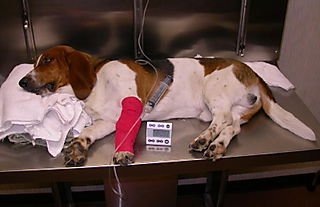
Treatment will include hospitalization with fluid therapy (Image Source)
Treatment depends on when ingestion was suspected to have happened. If ingestion occurred within the last hour and there are no current symptoms, veterinarians may elect to induce vomiting to remove any of the tablets that are undigested. If it has been longer or unknown they may elect to draw baseline blood work to evaluate the red blood cells and the kidney and liver values. Many times even if the kidney values are not elevated it may be recommended to begin supportive care. This include hospitalization, intravenous fluids and medications that will help coat and protect the gastrointestinal system.
Non-steroidal anti-inflammatory (NSAID) toxicity is a very serious and very common occurrence in our pets. The outcome many times depends on rapid treatment. As treatment is delayed the prognosis tends to become worse. Again ALWAYS speak with your current veterinarian prior to giving ANY over the counter medications.

Friday, January 16, 2015

Breed Focus: Irish Setter

Many know them for their deep red coat (Image Source)
The Irish Setter is a breed many recognize for their beautiful deep red color. They were first bred in Britain and Ireland as bird hunting dogs.  They are very active and will require a lot of physical and mental stimulation if not used for hunting. Another important aspect of this breed is that they are smart and stubborn. Starting training courses at a young age will make everyone in the household much happier!
 
Don't let their cuteness fool you! These little guys need lots of training and exercise! (Image Source)
In addition to the training and exercise, regularly grooming will be needed to maintain their luxurious coat. This means brushing and bathing to avoid matted fur that can lead to discomfort. When grooming you can also clean the floppy ears that tend to harbor a lot of dirt and even bacteria. Keeping them clean will help decrease their risk for ear infections.
 
This is the face of a dog that loves to run! (Image Source)
As far as health concerns go there are just a few to highlight with the Irish Setter. Hip dysplasia is something to be aware of in this active breed. When looking at breeders make sure the parents have been screened. While this will not completely eliminate the risk to your puppy, it does help minimize it. Although they are not a giant breed, Irish Setters are prone to osteosarcoma (cancer of the bone). Unfortunately there is no screening test for this condition. One other condition to monitor for is progressive retinal atrophy. This is a condition affecting the eye and ultimately their vision. Overtime it can lead to blindness. Breeders can have their dogs screened for this condition. This will help ensure your puppy is the healthiest it possibly can be.
 
Stubborn and determined! (Image Source)

If you have an active life style and are looking for a companion to exercise with, this could be the breed for you. While you may have to invest some time early for their training, the payoff could be great for both of you over the coming years! For more information on this breed please visit the following websites here and here.  

Thursday, January 15, 2015

Doodle Days# 34

Guess what?! I got ANOTHER late Christmas present. People must really like me! This one was made special just for me!

I really like it! 

It will definitely help keep me warm while a patrol the yard for any shenanigans!


It also helps me show some school spirit! I-L-L-I-N-I!!

Wednesday, January 14, 2015

Intervertebral Disk Disease

Anatomy of the disk and spinal cord. (Image source)
Intervertebral Disk Disease is a broad term referring to a disorder in the spinal column. This condition is most commonly seen in short leg long backed dogs. (Think dachshund, basset hound, shih tzu, and Pekinese breeds.)
 
Good advice for any breed! (Image Source)
Typical presentation for this condition is acute pain. Many patients will seem uncomfortable when laying down or have difficulty using their back legs. They may also have a hard time navigating stairs or refuse to jump when they normally would. The pain can be anywhere along the spinal column. It comes from the disk being inflamed and pushing on the spinal cord. Depending on the degree of inflammation this pressure puts on the spinal cord, it could lead to temporary or permanent paralysis.
 
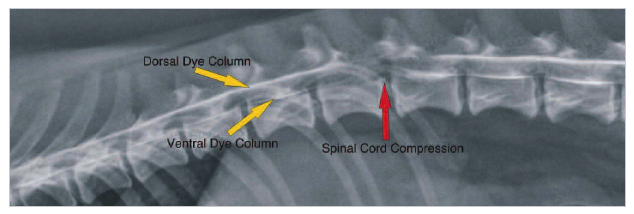
X-ray with special dye showing compression of spinal cord (Image Source)
In mild cases radiographs (x-rays), can be used to show if there are boney changes along the vertebrae. These can typically be managed with strict cage rest and medications. These medications will include those to decrease inflammation, pain and possibly muscle relaxation. The most important aspect of treatment however is CAGE REST. With constant motion, inflammation will continue and could lead to permanent damage. In more severe cases referral to a specialty clinic may be necessary. Here they may look at advanced imaging such as a CT scan or an MRI. This will help them pin point the lesion and proceed with surgery if necessary.
 
Typically surgery will require a very large incision! (Image Source)
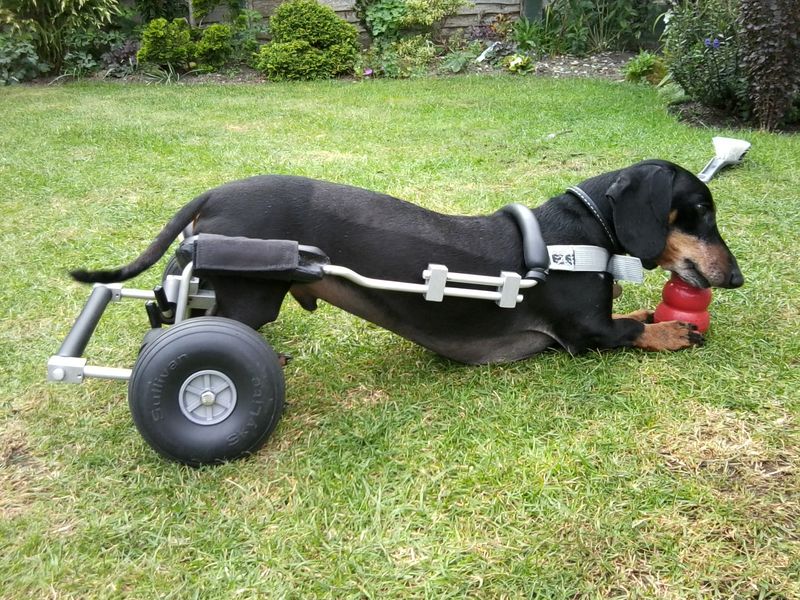
Surgical intervention is used in very advanced cases. Typically a portion of the vertebrae is removed to relieve some of the pressure placed on the spinal cord. Surgery is used to alleviate pain but also hopefully preserve limb function, if we intervene quickly enough. In some cases their limbs may never function normally again. They may need help moving and this is where carts may be necessary.
 
Many dogs in carts can lead happy lives! (Image Source)

Getting your pet into the vet at the first sign of illness may help minimize their risk for more advanced disease. It will also help make them more comfortable. For more information on this condition please view the following website here.

Tuesday, January 13, 2015

Toxin Tuesdays: Lilies

The Easter Lily can lead to serious health problems in our cats! (Image Source)
Flowers are a great gift and a way we show our appreciation or affection for someone. Did you know that there are some flowers that can be toxic to our pets? Today we are going to look at the Lillium family which poses the greatest risk to cats. Just because the word Lily is in the name does not mean it is toxic, however you need to verify the species before bringing it into your home with pets.
 
Make sure your cat isn't chewing on your fresh cut flowers!  (Image Source)
The most common toxic species include the Easter lily, the tiger lily, the Japanese snow lily and the daylily (member of the Hemerocallis family). If these flowers are present in your bouquet best to leave them at work or where your cat friends cannot get to them.
 
No question this cat got into pollen! It needs a bath and a vet visit! (Image source)
Cats are naturally curious so new items in the house will be very enticing to them. Most parts of the plants are considered toxic, so even pollen exposure can lead to issues. If you notice your pet has been chewing or playing with the flower and there is pollen on them it is best to rinse them off then call your veterinarian immediately.
 
He may not be happy about it, but a bath could save your cat! (Image Source)
The symptoms for exposure can range from vomiting and diarrhea to sudden kidney failure. It is very important to start supportive care of fluids to protect the kidneys from further damage. It is possible that even small amounts, as little as one to two pieces of the plan, can cause irreversible kidney damage and even death. In extreme exposure situations you may even note neurological signs such as seizures or muscle tremors.
 
Iv catheter in place and ready for fluids (Image Source)

Once at the veterinarian blood work may be obtained to ensure that the kidneys are still functioning appropriately. Then, as mentioned above, with known exposure it is best to start fluid therapy to protect the kidneys. At this time there is no antidote for lily poisoning. Avoidance is the best option. If exposure does happen, quick and aggressive treatment gives our feline friends the best chance of survival without any permanent effects.