Thursday, June 11, 2015

Doodle Days #54

The night before surgery I practiced with my e-collar. I didn't like it very much. 

Greetings everyone! It has been awhile! I know I didn't post last week, but I had kind of a busy week.
This mass popped up over a weekend. It hurt me a little to walk but it really hurt if someone touched it!

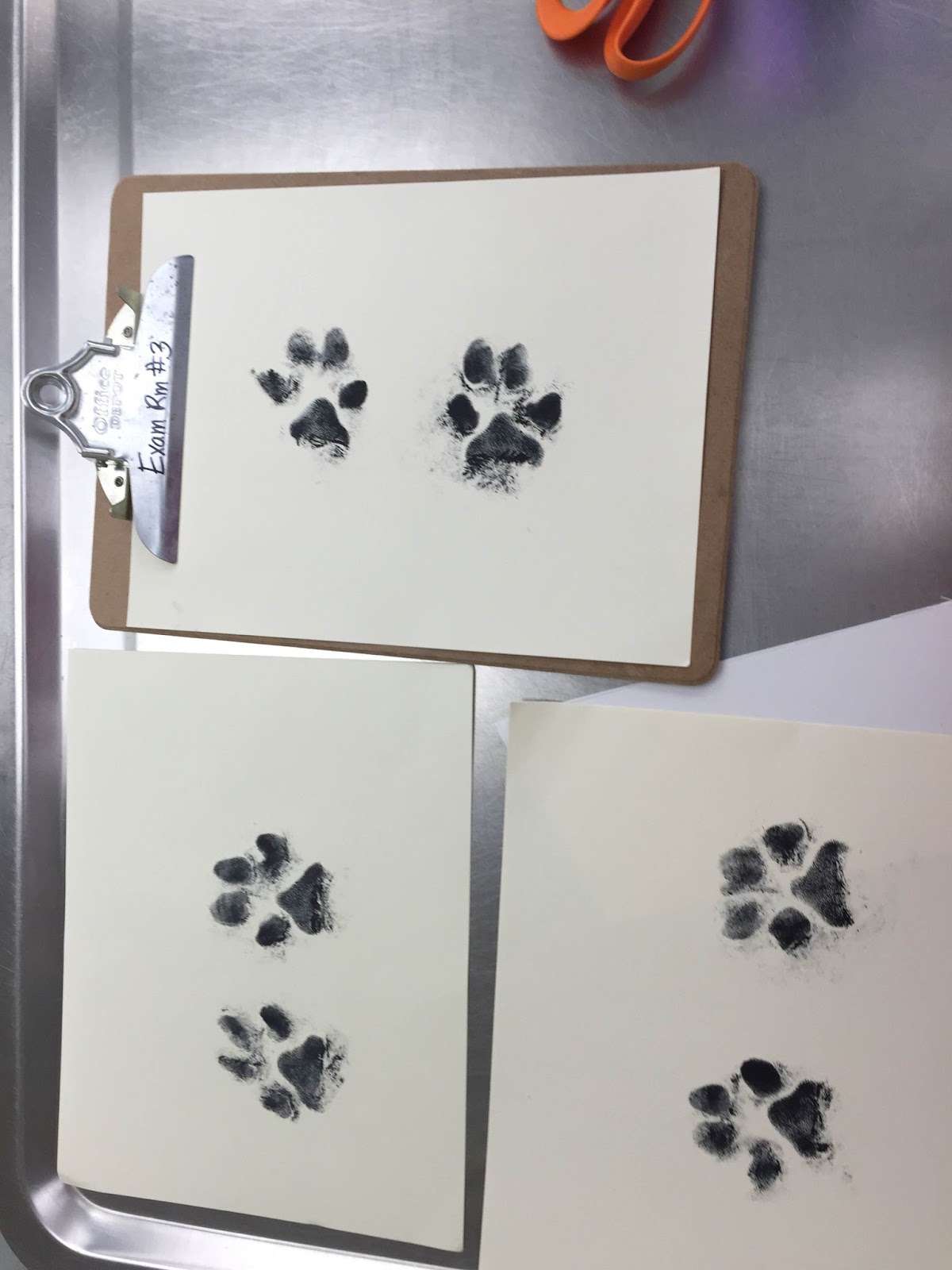
A couple of weeks ago my person found something on my toe. I had been limping a little bit, but then something started growing out of my pad! We had it tested and my person decided that we needed to remove it.
We made some pawprints of when I had all my toes!

I had surgery last week to remove part of my digit. It was a little scary at first but honestly now I feel great! I have my energy back! I am running around and it doesn't hurt when I walk or run!
I didn't need my pinky toe anyway! Once my hair grows back, no one will ever know!

We should know for sure what it is in the next few weeks. For now everyone is having a heck of a time trying to keep my quiet. I just want to run and play!
I got lots of TLC which I LOVE!

This is from the day after surgery! I recovered great!!!

Tuesday, June 9, 2015

Refresher on Summer Safety for your Pet!

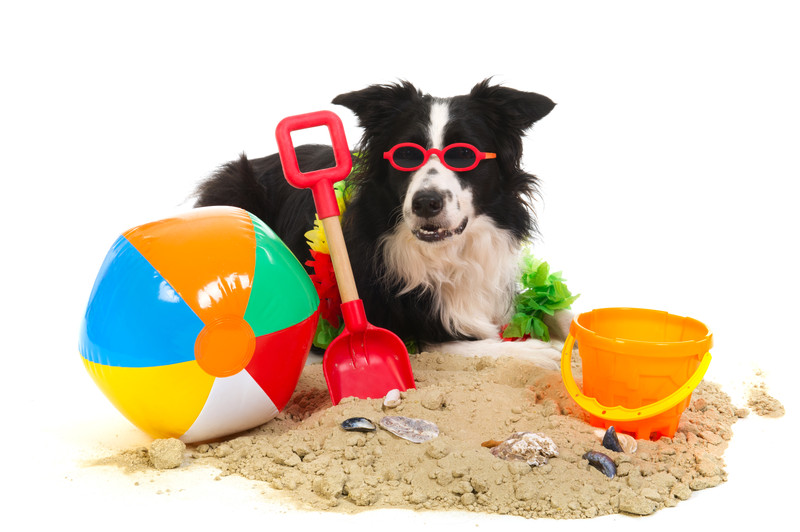
Summer is a great for out door fun with our pets! (Image Source)

Well summer is on its way (we hope!). With the warmer temperatures come a new set of hazards for out pets. Here are a few things to keep in mind as we head into the warmer climates.
Make sure your pet always has fresh cool water available to them! (Image Source)

Make sure when you are outside your pet has access to shade and fresh water AT ALL TIMES!!! Pets can quickly become overheated, but are unable to sweat efficiently like people. (Imagine wearing your winter coat outside in 100 degree weather and not being able to sweat!) If your pet spends the majority of their day outdoors, consider having a cool spot, like the garage or a shed that they can have access to and get out of the blistering sun.
Whenever possible exercise at sunrise or sunset, not in the heat of the day (Image Source)

 It is important to remember that when exercising our pets it should be done in the early morning or late evening when the temperature is cooler. If evening is your preferred time be sure your dog is up to taking heartworm medication regularly as the mosquitoes are out in full force at that time. Their pads can also be very sensitive to the heat of the asphalt. Using side walks that are more cool or grass can help ensure that the pads stay safe!
Some good advice on how to help keep your pet safe during storms and fireworks! (Image Source)

Summer also brings storms and fireworks. If your pet is afraid of them (or even if they aren't) make sure they have safe place they can go, so they will not hurt themselves. This may be a bathroom, closet or kennel. Anywhere that if they panic and you are not home, they will not cause harm to themselves or others. If your pet is truly anxious make sure you call your veterinarian to discuss some options to help relax your pet. It is also a good idea to make sure all identification (collars, microchips, etc) are up to date and accurate. That way in case your dog slips out of a door or gets away from you, the chances of them being returned safely are much better.
This is one way to provide shade for your pet! It doesn't matter the method as long as they have access to a cool spot to rest! (Image Source)

For more tips for summer safety please visit the following website here.

Friday, May 29, 2015

Breed Focus: Petit Basset Griffon Vendeen (PBGV)

Small legs but lots of energy! (Image Source)

The Petit Basset Griffon Vendeen (or PBGV) is not a very common breed but seem to have spurts of growth in popularity! They are an active fun loving dog that will need discipline and socialization. Originally bred in France for hunting they have a loud voice and are not afraid to use it! They will do best in a home that is willing to spend time training them and exercising them regularly!
 
Course hair and little legs are a breed standard! (Image Source)
Although they have a course coat, it requires minimal grooming. By brushing them once a week, you can remove an tangles or dead fur that could be causing problems. As with many dogs you may need to wipe their ‘food beard’ after eating.
 
They come in a variety of colors too! (Image Source)
Overall they tend to be a sturdy breed.  With their short legs, they are prone to certain joint disorders. This could include elbow dysplasia, as well as hip dysplasia. When looking into this breed it will help to have their hips certified as free from disease. This will minimize the chance of your puppy having hip issues. They also seem to be more prone to hypothyroidism. This is a condition that can lead to weight gain, hair loss and lack of energy. Fortunately, it can be managed with medication. Once diagnosed however, the treatment is typically lifelong. Be sure to research your breeder or rescue prior to picking out your PBGV.
 
They are intelligent and will do very well with training! (Image Source)
The PBGV while not a very common breed is very popular with their owners. Once you get to know them, it is hard to resist their charm and spunk. If you would like more information on this breed you can find it at the following website here and here.


Thursday, May 28, 2015

Doodle Days #53

I'm ready for my dinner and treats please!

Well this was quite a week for me! As some of you may know, I am not always the most well behaved on my leash when we are out and about. I just get so excited!!!  We have been working on my walking and making progress but now we taken it to the next level and entered into a training class with lots of distractions.
Look at that focus! I'm ready for whatever you want to give me!

I actually think I behaved myself really well. It may have something to do with the fact that I was STARVING! I didn't get dinner and had to work for it throughout the class.
It is not often you see a loop in my lead. I'd call this progress! 

I liked seeing all the other dogs but I really like working with my person and that awesome treat pouch! (Isn't it super stylish, I just love when my person puts it on because it means good things for me!)
Some may call it a fanny pack but I call it an amazing treat dispensing pouch!

I look forward to seeing my friends again next week and learning something new!

Wednesday, May 27, 2015

Ear Infections

This poor dog has a terrible ear infection! (Image Source)

Ear infections are a common problem we see in pets. Many people are familiar with ear mites and tend to blame an infection on mites. While we definitely need to be aware of ear mites (especially in cats) an itchy ear does not always mean mites. So what other causes could there be for ear infections? We will commonly see yeast and/or bacteria contributing to itchy, smelly ears.
 
Using a swab we can obtain a sample to look under the microscope and get a diagnosis. (Image Source)
Symptoms of an ear infection include pawing at the ear, shaking the head, reddening of the inside of the ear and an odor coming from the ears. Pets can have one or all of these occurring. To obtain a diagnosis, a swab needs to be taken of the ear. Then we look under the microscope to determine the cause for the infection. This will determine the course of treatment.
 
Your veterinarian will recommend or prescribe products based on the infection type. (Image Source)
Treatment again will be directed by the type of infection. Many times it will be a two-step process. Where we first flush the ears and dry them thoroughly. To flush the ear the liquid can be applied directly into the ears OR can be added to a cotton ball and then the cotton ball placed in the ear. You will then need to massage at the base of the ear with either method. Then remove cotton balls (if choosing that method) and use dry cotton balls to remove any debris and liquid that remains. After waiting at least 5 minutes for thorough drying, the medicated ointment can be applied. Again, there are MANY types of ear medications and your veterinarian will decide which will be the best option for you and your pet. I like to use the flush weekly on my dog to make sure the ears stay clean and dry and hopefully detect any signs of infection early!
 
A great view of an ear with an infection and an ear without! (Image Source)
So, how do dogs get ear infections? There are several ways these can occur. Some dogs are more predisposed these include dogs with allergies (food, flea or environmental), those with floppy ears and those that spend a lot of time in the water! Some pets may be born with a smaller canal and this seems to make them more prone to infections. Once yeast or bacteria get in the ear they can really thrive, it is dark and warm and with a little moisture, it can get out of hand quickly! It is a good idea to take your pet into the veterinarian at the first sign of itching so you can get to it before it gets out of hand. For more information on ear infections you can visit the following website here.

Tuesday, May 26, 2015

Toxin Tuesday: Potpourri and Essential Oils

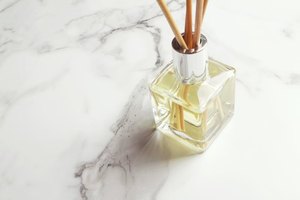
This may seem innocent enough but potpourri can cause some problems in our pets. (Image Source)
Potpourri and essential oils may seem harmless, but to our pets they can actually cause several problems. Unfortunately with the wide range of products available it is difficult to know precisely what each product is capable of in our pets, however there are some general trends we can look at. For instance, it seems cats are more frequently exposed to the liquid potpourri products. This could be due to placement, as many of us put these products on higher shelves, or that the smell is more appealing to them.
 
Oral ulceration is one side effect of liquid potpourri (Image Source)
Again because there is a large variety in products, there can be a very wide range of side effects. Many times animals exposed to the liquid products will end up with burns in their mouth or on their skin depending on how they were exposed. Several products can lead to liver failure, while others mild vomiting and diarrhea. Still others can affect the respiratory and nervous system. If possible it may help your veterinarian to know what products were in the oils you use. Some examples of the active ingredients include pennyroyal oil, melaleuca oil, citrus oil and oil of winter green.
 
Depending on the active ingredient, symptoms can be mild gastrointestinal OR more severe liver disease (Image Source)
If you suspect your pet has gotten into a product like this, it is important to call your veterinarian quickly. Likely they will not make you induce vomiting at home. Many of the products are caustic which means they can cause erosion of the mucous membranes so if they come back up that is twice the throat and has been exposed. Meaning it is more likely to cause ulceration. On presentation your veterinarian may recommend blood work to assess the liver values, as well as a bath if the skin has been exposed. This will hopefully prevent the skin from becoming ulcerated. In severe cases patients may need to be hospitalized and placed on fluids.
 
Hot Potpourri has the additional threat of thermal burns. Keep these items away from our pets (Image Source)

While potpourri and other essential oils are not a very common problem we see, they do pose a threat to our pets. It is best to keep all these products up and away so they cannot have access to them. This can be difficult with cats as they can reach many different areas in the house. Taking extra precautions and keeping the products completely put away can help avoid future problems. 

Friday, May 22, 2015

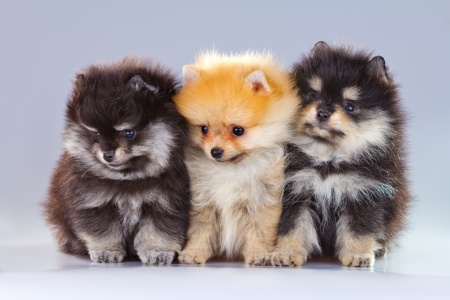
Breed Focus: Pomeranian

A very happy dog with a very FULL coat! (Image Source)

Pomeranians are a small breed that are frequently found in the top rankings of popularity according to the American Kennel Club. Their small size makes them adaptable to many living situations, but their big personality endears them to many families. Although they may not be the largest dog, their attitude can take up a lot of space! They will thrive in a more active household. If you are looking for a lap dog, this may not be the right one for. They will spend time bonding with their family but they will also spend time patrolling their domain. One other thing to bear in mind with this breed is that they can be vocal, which can be disturbing to some potential owners (or their neighbors).
 
They can come in a variety of colors! (Image Source)
This breed has a very dense coat that will need regular brushing. If you keep up on this, then little grooming will be necessary. If you do not, then they may need to be shaved down to start over.

There are a couple of health concerns to keep in mind prior to adding a Pomeranian to your household. As with many of the smaller breeds they can have issues with their knee caps slipping in and out of place. They can also have problems with clogged tear ducts that can cause staining on the fur near their eyes and nose. They also seem to be predisposed to cataracts. One other condition that seems to have a genetic link in this breed is a patterned baldness that can develop. Many people are drawn to this breed because of their luxurious coat so this can be quite a disappointment. In some cases there are medications that can help the hair regrow where as in other cases they do not respond. The good news is this is mostly a cosmetic issue and they are typically otherwise healthy. The bad news is, it is possible the hair will not regrow. 
 
This little one looks ready for anything! (Image Source)
If you are looking for a pocket size friend with a large, fun loving personality this could be the right breed for you! You can find more information at the following websites here and here.