Friday, June 13, 2014

Breed Focus: Huskies

Source
Huskies are a fairly well known and recognized breed. Part of this can be attributed to the Iditarod race, which is arguably one of the toughest events an athlete (human or canine) can compete in. It’s 1000 miles over rugged terrain that requires a full year of preparation for the dogs and humans. For more information about the Iditarod go here.
Source
These dogs were bred for a job! They love to pull and be a part of a team or pack. This is important to remember when thinking about adding this fun loving dog to your family. They will be very high energy and will need lots of exercise. It may be a good idea for them to have a job, such a pulling a sled even if it is just around the yard. It is also important to socialize them a lot when they are puppies. They can become quite bonded with one person or family and so socializing them at a young age will make them more adaptable to different situations. Huskies have a very distinct vocalization that they can sometimes over due when excited so keep this in mind if you are living in an apartment or a place with close neighbors.
Source
Having a very dense coat protects them in the arctic climates they were bred for, however it can pose two challenges for different parts of the country. The summers can be quite difficult on them so they need to be kept in cool places. Also, remember that there is a LOT of coat there and they will shed this coat frequently. So if you do not like to accessorize your outfits with dog hair, you may want to look at another breed.
Source
Genetically there are two big areas to focus on when looking for a breeder. Huskies do have a genetic predisposition to hip dysplasia and certain eye abnormalities. If you are thinking of purchasing a puppy make sure that the mother and father have been OFA and CERF certified. The OFA stands for the Orthopedic foundation for animals. Their website can be found here. CERF is the Canine Eye Registry Foundation and their website can be found here. This is reduce the risk of these conditions being passed on. If you are adopting a mix just be aware that they could have issues in the future with these two body structures. There is a lot of great information on this website regarding huskies.

Thursday, June 12, 2014

Doodle Days #3


Good Morning Everyone! I had a fantastic week last week and into this week! I got to go to my own little Doggy Daycare of sorts!

My friend/groomer/daytime walker had vacation this week and she said I could come over and play all day with her crew! We are all great friends....ok...maybe Hank (the miniature schnauzer) does not LOVE me but I'm sure I can win him over eventually.... I mean who can resist this face? (note he's not an any of my pictures!)

I also love her kids! They keep me very entertained! I can't wait to see what next week holds...I hear something about me maybe getting a back pack for walking so I might calm down a little or maybe to carry my own stuff :) We'll see!

I may have had to take a little break after all my playing. I enjoyed being free in their yard and resting under a shade tree! I hope you all have a great week and get to spend some relaxing time under a nice tree too!


Wednesday, June 11, 2014

Wormy Wednesdays: Tapeworms

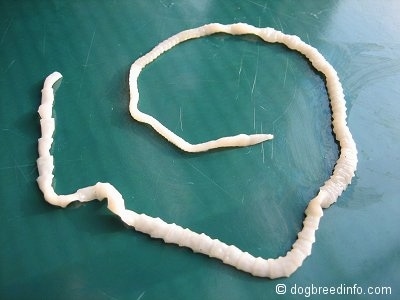
As we continue down our road of worms, our next stop is Tapeworms. This is another type or worm that likes to live in the intestines. They are fairly common all over the United States or really wherever f leas are found.
Source
These are some of the easiest worms to diagnose! Many times the segments can be seen in the stool or around the rear end of our companions. Sometimes you can even see them where your pets like to lay. When they are dried they look like little sesame seeds. If we don’t see the segments in the stool sample, we can look under the microscope, however these egg packets can be very fragile and sometimes are not seen.
Source
There are a couple of ways that tapeworms are contracted. The most common is from ingesting a flea. This doesn’t mean that your pet has fleas, but that they have been exposed. This could be from the outside or other animals that do have fleas. That being said it is a VERY good idea to keep pets on monthly flea prevention. Another less common way to contract tapeworms is by eating a rodent infested with the tapeworm or with fleas. It is unlikely for people to get tapeworms as they also have to ingest the flea.
Most of the time there won’t be too many signs that your pet has tapeworms, especially if you don’t see the segments in the stool. Sometimes their coat will look a little more rough or unthrifty. Weight loss is a possibility as well, as the worms are competing with their host of the nutrients. Some cats will also vomit or over groom.  
Source
While tapeworms are treatable it is important to remember that fleas are everywhere. The best form of prevention is monthly flea medication. Treatment can come in various forms and is prescribed by a veterinarian. It is usually well tolerated but again only treats what is currently in the patient. It is very possible for them to re-infest themselves by ingesting another flea. 

Tuesday, June 10, 2014

Common Household Toxins for Pets

Source
Having pets can add so much enjoyment to our own lives. They truly become an important part of our routine. As owners we try to take the best care of them we can, which includes making our house/ their home as safe as possible. One way we can do that is to try and prevent exposure to substances that while safe to use may be harmful to our pets. Here are some common household toxins that pets can be exposed to and how they may cause harm.

Source
Over the counter pain medication, while quite safe for most of us can be disastrous in our pets. Never use any type of OTC pain medication without explicit instructions from your veterinarian. Many of these drugs can have serious side effects on the liver or kidney as well as can cause ulcers throughout the gut. The same can be said for your pet’s medication if they get too much of it. Many pet pain medications are flavored to make them appealing and an over dose can cause some serious consequences.
Source
Many prescription medications can be harmful to our pets. Anti-depressants and ADD/ADHD medications can have serious side effects in animals. It is extremely important to keep the medication away from them even if there is no flavor or does not seem appealing to us, never underestimate the lengths pets will go to get to things they want.
Although it is called rat poison, it is made to be appealing to eat and many times our pets don’t read the labels. There are several different types of rat poison if you have put it down around your home never leave your pet unsupervised even if it seems impossible for them to get to, they will find a way. Another thing that can be extremely helpful for your veterinarian should your pet be exposed is to know the brand. Either taking a picture of it before you put it down or writing down what it is can save a lot of time and money if treatment is necessary.

Source
If you are ever concerned your pet has become exposed to something they shouldn't have been it is best to call your veterinarian or a pet poison control hotline. Having these numbers at easy access makes things much easier when you need them. 

Friday, June 6, 2014

Breed Focus: Bull Terrier

Bull Terriers are a very interesting breed! They are probably most recognizable thanks to the movie Frankenweenie or Spuds Mackenzie used by Anheuser Bush commercials in the 1980’s. Their unique features such as the egg-shaped nose have made them a breed that is difficult to forget!
Mackinzie and Griffin
Terriers in general are sturdy, active dogs. They will need regular exercise to keep their energy in check.  Obedience training is highly recommended as they can be quite stubborn.  Another consideration to keep in mind is that many bull terriers do not like to be left alone for extended periods of time. They may do better in homes where people are around regularly or ones where they have a companion animal with them.
Moxie
Like many purebred dogs, there are certain conditions that they seem more susceptible to dealing with throughout their life. Their coat is relatively easy to care for but they are prone to some allergies which you may have to manage throughout their life. They can also be born with kidney conditions that could lead to early kidney failure. It is recommended to consider screening for early kidney disease yearly.  This can be done with a simple urine test and if anything suspicious appears further testing can be pursued. While listening to the heart and lungs is a part of routine physical exams, it is important to focus on the heart of bull terriers as they can have heart murmurs that would require further diagnostics. One additional trait to look for is deafness. Generally this is in Bull Terriers that are mostly white but can be seen in those with coloring as well. Deafness, while not treatable is manageable. It is important to use hand signals when training as well as trying to never sneak up on them especially when they are sleeping. They will have no warning you are coming!
Mack and Griff
If you are ever curious about this breed you can ask our very own Dr. Chernok! He has three. They are all wonderful and outgoing! Mackinzey is deaf and does great in their house hold. While this is not the most common breed it is possible to find rescue groups that may have some sweet pups looking for homes! 

Thursday, June 5, 2014

Doodle Days #2


Hello Again! Today was a BIG week for me! I got a bath…which I don’t love….and a small hair cut….don’t I look handsome?


I’ve also been going on lots of walks and getting admired by people on the street. I LOVE attention! (this is not my baby she was just a loaner....I do love her though)


For some reason my family has decided I should not chase squirrels and rabbits so they have been trying to tame my instincts….I’m putting up a great fight though! I would love to be good on my walks but I just can’t handle the thought of these rodents roaming my streets! Guess I'll stick with my stuffed friends.


I missed all of these walks during the winter, so I am one happy doodle now that the weather is nice. What is your favorite thing about the summer?

Wednesday, June 4, 2014

Wormy Wednesdays: Whipworms

This week on Wormy Wednesdays we are going to focus on an intestinal parasite. Whipworms are fairly common here in central Illinois. It is one of the reasons we recommend yearly (if not twice yearly) stool samples.
Whipworms tend to set up shop in the intestines. This is where they have the best chance of getting nutrients from the host. Because of this location, there can be a variety of symptoms. This includes diarrhea, which can be constant or waxing and waning. There can also be weight loss, mild or significant noted. Another abnormality is a difference in the ratio of sodium and potassium, this is assessed on blood work.
So how do they get whipworms? Typically it is from the soil. It takes 2-3 weeks minimum for the eggs to be able to infect a host so fresh stool samples are typically not a concern. The soil, however can house plenty of these eggs to cause a problem. It may be necessary to avoid an area in the yard for years to get rid of an infection. If not it is possible your pet will keep having issues with this pesky parasite.

Source
They can be diagnosed from a stool sample. However it may require more than one sample to accomplish a diagnosis. This is because the female worms do not consistently lay eggs. When we assess a stool sample we are looking under the microscope for the eggs and if we do not see them it does not always mean the dog is truly negative.
Since it is nearly impossible to keep your dog from soil that could be contaminated prevention may be a great option! There are many heartworm preventatives available that are also labeled to help prevent whipworm infections. While some intestinal parasites do pose a threat to humans, whipworms do not typically cause issues. It is very important to practice good hygiene and refrain from running around barefoot in affected areas, but they are less of an issue than other internal parasites.

Source

Working with your veterinarian to set up a monthly preventative as well as yearly or (twice- yearly) stool regimen is one of the best things you can do to help keep you pet parasite free! If you have questions call us today we’d be happy to help!